Guide · March 1, 2026
Portrait Photography — Beauty, Editorial, and Professional Headshots
Learn portrait photography fundamentals for beauty campaigns, editorial work, and corporate headshots — with practical guidance for Philippine photographers and brands.
Portrait photography sits at the intersection of technical craft and human connection. A strong portrait reveals personality, conveys brand identity, and creates images that outlast trends. In the Philippines, demand spans beauty campaigns for local cosmetics lines, editorial spreads for magazines, corporate headshots for BPO and startup teams, and personal branding portraits for entrepreneurs building their online presence.
This pillar guide walks through the major portrait categories, the equipment and lighting patterns that define them, and the workflow considerations that keep shoots efficient in tropical studio conditions.
Understanding Portrait Categories
Different portrait types serve different goals. Knowing which category you are shooting shapes every decision from lens choice to retouching intensity.
Beauty and Cosmetics
Beauty portraits emphasize flawless skin rendering, precise makeup detail, and color accuracy for lip, cheek, and eye products. Lighting is typically soft and frontal, with careful control of specular highlights on moisturized skin.
Editorial and Fashion
Editorial portraits prioritize mood, narrative, and bold creative choices. Directional light, unconventional angles, and expressive posing differentiate editorial work from catalog-style headshots.
Corporate and Professional Headshots
Corporate portraits require approachable, consistent results across large groups. Neutral backgrounds, even lighting, and minimal retouching help teams look unified on company websites and LinkedIn profiles.
Personal Branding
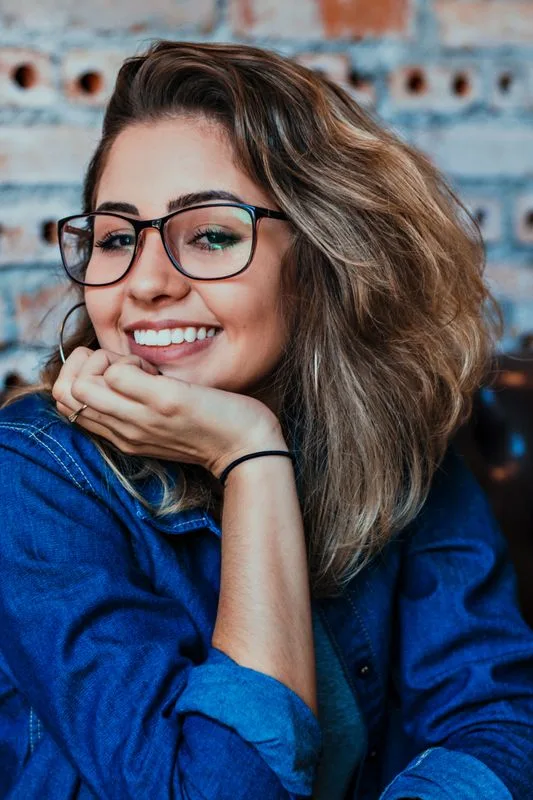
Freelancers, coaches, and content creators need portraits that feel authentic rather than overly staged. Environmental backgrounds — offices, cafes, urban streets — often work better than plain studio backdrops.
Camera and Lens Selection
Portrait work rewards lenses with pleasing compression and wide apertures.
Recommended focal lengths:
- 85mm — classic portrait length on full-frame; flattering perspective for head-and-shoulders framing
- 50mm — versatile for environmental portraits and tighter spaces common in home studios
- 70–200mm — excellent compression for outdoor sessions and event coverage
- 35mm — useful for full-body environmental portraits with context
For Philippine photographers starting out, a 50mm f/1.8 prime offers excellent value. Pair it with a crop-sensor body and you gain effective reach suitable for headshots without investing in multiple lenses immediately.
Shoot in RAW format. Skin tones vary widely across the archipelago, and RAW files preserve highlight and shadow detail needed for accurate color grading in post.
Lighting Patterns That Flatter
Portrait lighting follows established patterns, each creating a distinct mood.
Rembrandt Lighting
Named after the painter, this pattern places a small triangle of light on the shadow-side cheek. It adds dimension and works well for editorial and dramatic corporate portraits.
Butterfly Lighting
The key light sits directly in front of and above the subject, creating a shadow beneath the nose. Beauty photographers favor this pattern for its even, glamorous quality.
Loop Lighting
A slight angle from the key light produces a small nose shadow that loops toward the cheek. It suits most face shapes and works as a safe default for headshot sessions.
Fill and Hair Lights
A fill light or reflector opens shadows without eliminating them entirely. A hair light or rim light separates dark hair from dark backgrounds — a common need when shooting subjects with black hair against charcoal seamless paper.
In humid studio environments, continuous LED lights reduce heat stress on subjects during longer beauty sessions. Strobes remain preferable for freezing motion during active lifestyle-adjacent portrait work.
Directing Subjects and Posing
Technical excellence cannot compensate for stiff, uncomfortable subjects. Direction is a portrait photographer's most valuable skill.
Effective direction techniques:
- Give action-based prompts ("lean slightly toward me," "look past my shoulder") instead of abstract commands
- Demonstrate poses yourself when language barriers or shyness slow communication
- Shoot continuously through natural movement rather than holding single poses too long
- Check in frequently — tropical studio heat causes fatigue faster than clients expect
For corporate groups, establish a repeatable pose template. Consistency across fifty headshots in a single day matters more than creative variation.
Retouching and Delivery Standards
Portrait retouching walks a line between polish and authenticity. Philippine beauty standards vary by client — cosmetics campaigns expect more refinement than startup team photos.
A balanced retouching workflow includes:
- Skin cleanup (blemishes, temporary marks) while preserving texture
- Dodge and burn for subtle contouring
- Color correction aligned with brand palettes
- Background cleanup and edge refinement
- Export at web and print resolutions as specified
Deliver proofs in a gallery format before final retouching on selected frames. Clear revision limits prevent scope creep on commercial bookings.
Planning Portrait Sessions in the Philippines
Logistics affect portrait quality as much as camera settings.
- Schedule around heat: Early morning or late afternoon outdoor sessions avoid harsh midday sun
- Prepare for power interruptions: Battery-powered lights and charged laptop backups prevent lost sessions
- Account for commute times: Metro Manila traffic can compress afternoon sessions — build buffer time
- Wardrobe guidance: Send clients a prep sheet covering colors, patterns, and grooming before arrival
Portrait photography rewards preparation. The photographers who deliver consistently strong results treat every session as a collaboration — combining technical skill, clear communication, and respect for the person in front of the lens.